David Wondrich Home

Category

Spirits & Industry

12 articles

Old Methods, New Arguments: The Craft Distillers Using History to Challenge Industrial Spirits

Old Methods, New Arguments: The Craft Distillers Using History to Challenge Industrial Spirits

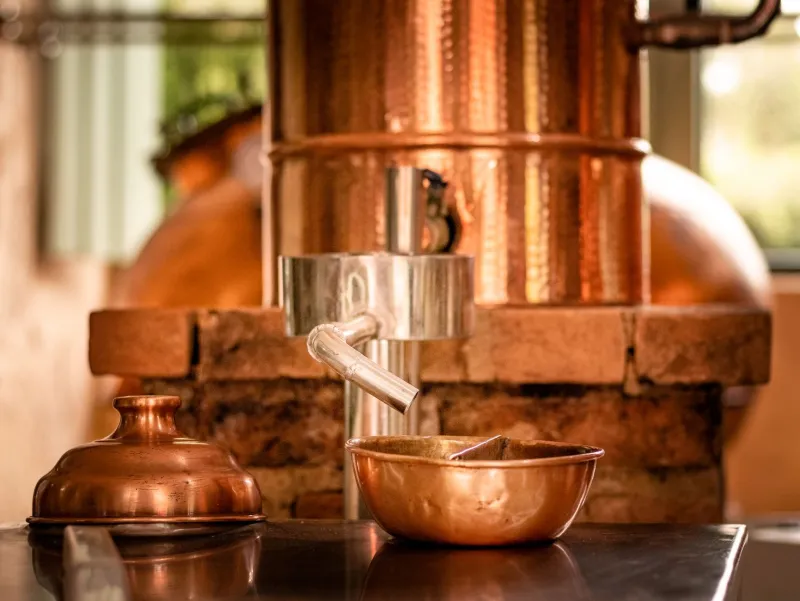
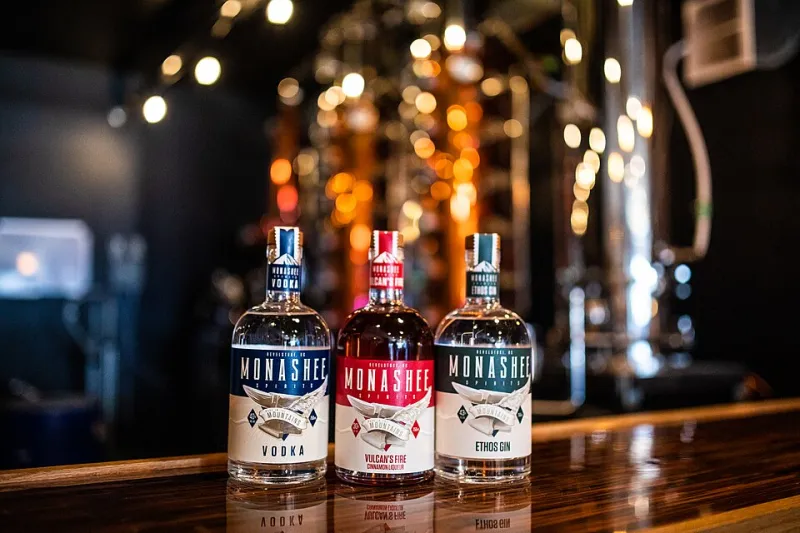
A growing contingent of American craft producers is reaching back to pre-industrial distilling methods—not as nostalgia, but as provocation. Their wagers on open fermenters, heritage grains, and copper pot stills carry an implicit argument: that something measurable and real was abandoned when efficiency replaced craft, and that the bottle is the only proof that matters.

The Vanishing Ounce: What the Shrinking American Bar Pour Reveals About the State of the Drink

The Vanishing Ounce: What the Shrinking American Bar Pour Reveals About the State of the Drink

Across American bars, the standard pour has been quietly contracting for two decades—a slow diminishment that most drinkers have never consciously registered. Driven by inflation, tightening margins, and a cocktail culture increasingly preoccupied with complexity over quantity, the measure itself has become a moving target. What we've lost in the glass may tell us more about the state of American drinking than any trend piece ever could.

What Runs Beneath the Still: The Forgotten Role of Water in America's Great Whiskey Tradition

What Runs Beneath the Still: The Forgotten Role of Water in America's Great Whiskey Tradition

Long before wine enthusiasts codified the concept of terroir, American and Scottish distillers understood that the water flowing beneath their feet was as consequential as the grain in their mash. The mineral chemistry of regional water sources quietly shaped the character of the world's most celebrated whiskeys — and the story of how that happened is one the spirits world has been too slow to tell.

Bound to Break Free: Why Gin's Strictest Rules Produced Its Wildest Innovations

Bound to Break Free: Why Gin's Strictest Rules Produced Its Wildest Innovations

Gin is, by any legal measure, one of the most tightly defined spirits categories in the world — and yet it has become the most restlessly experimental corner of the American craft distilling movement. The paradox is not accidental. Understanding why gin's constraints have produced such creative abundance tells us something essential about how tradition and invention negotiate their uneasy coexistence in the glass.

Brandy at the Crossroads: The Quiet War Over What Cognac Is Allowed to Become

Brandy at the Crossroads: The Quiet War Over What Cognac Is Allowed to Become

Cognac has long occupied a rarefied position in the world of spirits—revered, sipped slowly, and treated with the solemnity of a cathedral relic. But a growing number of American bartenders are pulling it off its pedestal and dropping it into the mixing glass, and the French houses that built its reputation are not entirely pleased. The resulting tension reveals something fundamental about who holds authority over a spirit's destiny.

Bitter Is Better: The Amaro Awakening Reshaping American Bar Culture

Bitter Is Better: The Amaro Awakening Reshaping American Bar Culture

For most of the twentieth century, amaro occupied a narrow, almost apologetic corner of the American back bar — a dusty bottle offered hesitantly after dinner, largely misunderstood and rarely celebrated. That era has conclusively ended. A new generation of bartenders and drinkers has discovered what Italian grandmothers and Alpine herbalists have always known: bitterness is not a flaw to be corrected, but a dimension worth pursuing.

The Trouble with Tasting Notes: Why the Language of Spirits Has Drifted From the Glass

The Trouble with Tasting Notes: Why the Language of Spirits Has Drifted From the Glass

Professional spirits evaluation has developed an elaborate vocabulary that often tells us more about the evaluator's training than about what is actually in the bottle. The psychology of flavor perception, the influence of branding, and the social pressure to defer to expertise have conspired to push drinkers further from their own sensory experience. It may be time to reclaim the glass.

Rehabilitating the Neglected Bottle: A Case for Taking Vermouth Seriously Again

Rehabilitating the Neglected Bottle: A Case for Taking Vermouth Seriously Again

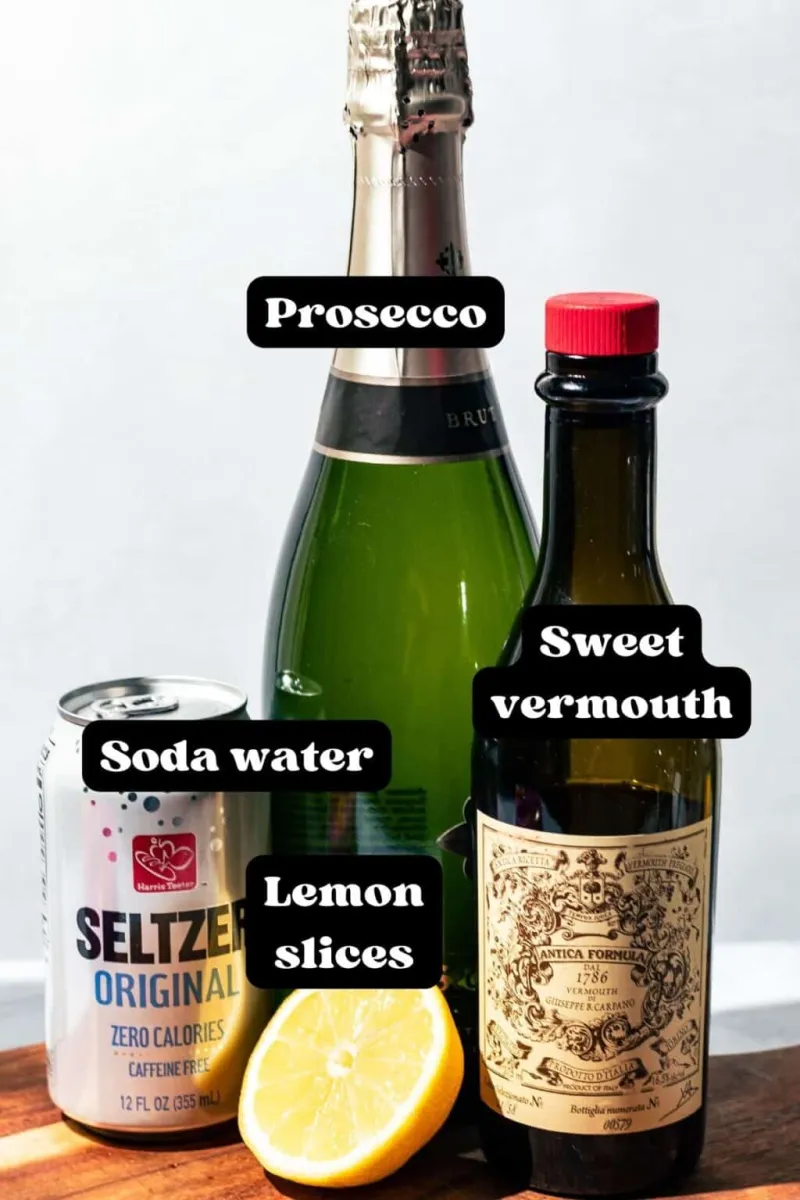
Vermouth has spent the better part of half a century being treated as an afterthought in the American bar — measured in drops, refrigerated only as an afterthought, and purchased from the bottom shelf without a second thought. This is a correctable problem, and correcting it would materially improve the quality of the American cocktail.

Bourbon Without Borders: The Global Appetite for Kentucky Whiskey and What It Costs the Barrel

Bourbon Without Borders: The Global Appetite for Kentucky Whiskey and What It Costs the Barrel

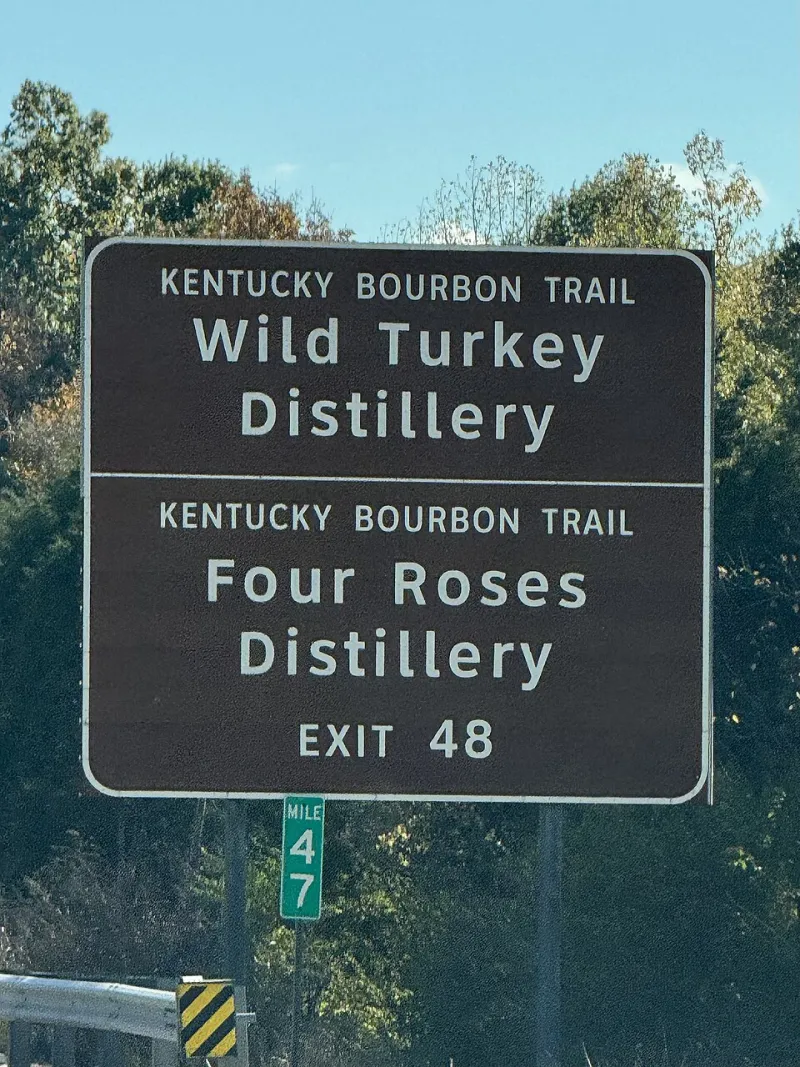
Bourbon was once the most American of spirits — regional, idiosyncratic, and largely indifferent to foreign opinion. Today it commands auction prices in Tokyo, inspires Japanese distilleries to attempt their own interpretations, and anchors a global premium spirits market that shows no sign of cooling. Whether this transformation represents a triumph for American craft or a quiet dilution of something irreplaceable is a question worth examining with some care.